Executive Summary
Every love story is entirely its own, and your wedding photography should reflect that singular story. At Faith West Photography, I document authentic celebrations through real client work. Portfolio reviews suggest that a fuller engagement portfolio benefits from deliberate planning across three points: seasonal contrast, location strategy, and technical execution.
The choice to use seasonal contrast came from portfolio reviews showing that couples had less visual variety when engagement and wedding photos shared the same foliage and lighting conditions. By shifting the approach to include different surroundings, from historic venues to professional sports stadiums, the resulting imagery gains a deeper range.
Main Point: Deliberate environmental variation between engagement and wedding dates prevents visual monotony and enriches the couple's documented history.
The Seasonal Contrast Strategy
Defining the seasonal contrast approach means scheduling engagement sessions in a completely different season than the planned wedding. I map out the production calendar by working backward from the wedding date, deliberately targeting the opposite equinox or solstice to ensure distinct environmental textures.
Consider the case of Jackie and Adam. Their November engagement session provided a rich, autumnal counterpoint to their eventual June wedding. The crisp textures of late fall offered a distinct visual vocabulary compared to the lush greens of early summer.
Similarly, Lindsey and Dan used an April session to capture delicate spring light, preceding their October wedding. This deliberate scheduling ensures that the visual story of the relationship spans multiple atmospheres and emotional tones.
Location Selection and Thematic Aesthetics
Thematic sessions call for careful control of light and setting. When coordinating Kelly and Patrick's 1920s noir aesthetic at Cuba Libre in August 2010, the production team initially considered an outdoor historic street setup. We rejected that approach due to unpredictable ambient light, opting instead for a controlled indoor environment to guarantee the moody, cinematic shadows essential to the era.
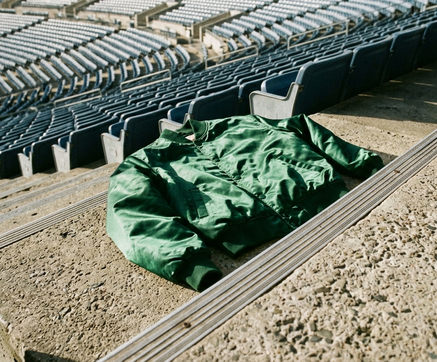
Incorporating personal interests introduces different logistical variables. Shannon and Tim's session at Citizens Bank Park highlighted their affinity for the Philadelphia Phillies. Securing a major league baseball stadium can mean submitting insurance certificates and a detailed shot list in the vicinity of 45 to 60 days prior to the shoot. Stadium access was restricted to on the order of a 90-minute window on a non-game day. Lighting setups must be drastically altered when transitioning from a controlled studio environment to the reflective seating areas of a sports stadium.
High-profile event integration also demands precise coordination. The March 2011 'Bellevue Gets Engaged' event at the Hyatt at the Bellevue, built upon an ongoing venue partnership since 2008, featured sponsor Nicole Miller and management by MKDA, specifically Alison and Hillary. Navigating these multi-stakeholder settings requires a clear hierarchy of creative direction.
Technical Execution and Posing Methodologies
Addressing common posing errors relies heavily on Faith West Photography's April 2010 posing guidelines. To correct common posture issues, photographers shifted from verbal instructions to physical mirroring techniques. I demonstrate the exact chin-tilt and shoulder-drop required before stepping behind the lens. This hands-on approach eliminates the cognitive load on the couple, allowing them to focus entirely on their connection.
In practical scenarios, implementing controlled environments allows for precise aesthetic rendering. The studio photo booth setup utilized a three-point lighting configuration with a 47-inch octabox as the key light, positioned at a 45-degree angle. This setup, using fabric backgrounds and studio lights, ensures consistent, flattering illumination across varying facial structures.
- Establish the Key Light: Position the 47-inch octabox at a 45-degree angle to create soft, directional shadows.
- Implement Mirroring: Demonstrate the desired posture, specifically the chin-tilt and shoulder-drop, before the couple attempts the pose.
- Refine the Environment: Adjust the fabric backgrounds to eliminate distracting folds or reflections.
Case Study 3, featuring Paromita and Geoffrey's session, demonstrates these applied posing techniques. By establishing the lighting parameters first, the couple could move freely within the focal plane while maintaining optimal exposure.
Expert Tip: Physical mirroring accelerates client comfort and yields more natural posture than verbal cues alone.
Scope and Limitations of Engagement Sessions
The pursuit of distinct, romantic imagery operates within strict logistical boundaries. The team established a strict weather-call protocol, requiring a final go/no-go decision circa 24 hours before the shoot based on hourly precipitation forecasts. This ensures clients will not incur non-refundable styling fees—such as hair and makeup, due to sudden storms.
The necessity of aligning thematic shoots with available wardrobe and location authenticity cannot be overstated. I have analyzed instances of a thematic shoot falling flat because the wardrobe clashed with the modern fixtures of an improperly scouted venue. Authentic representation requires harmony between subject and environment.
Navigating Venue Constraints
There are logistical constraints when securing private or high-demand venues like Citizens Bank Park or the Ballroom at the Ben. One catch: securing high-demand private venues often requires the couple to purchase a separate commercial photography permit, which can add unexpected costs to the baseline engagement package.
Caution: Always verify commercial permit requirements during the initial venue scouting phase to protect the project budget and prevent day-of access denials.