Establishing the Visual Baseline Through Artifacts
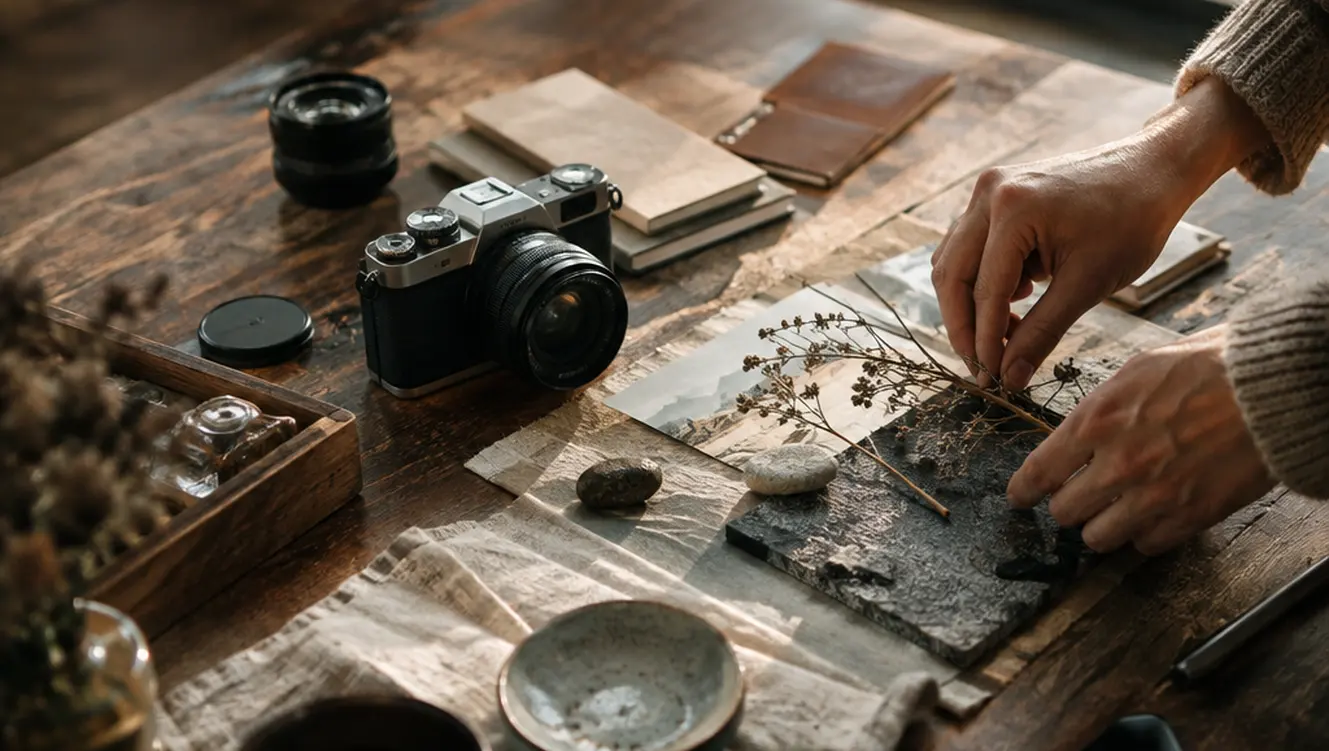
Dedicating about an hour to inanimate objects at the start of a wedding day establishes the visual narrative of the entire event. Proper flat lay styling requires 45 to 60 minutes for a straightforward setup. A ten-minute window guarantees compromised documentation, stripping the opening chapter of the gallery of its intended elegance and artistic depth. Upon entering the bridal suite, the lead photographer immediately surveys the architectural context. Rather than rushing into candid preparation shots, the initial coverage block is dedicated entirely to inanimate objects to establish the day's visual baseline.
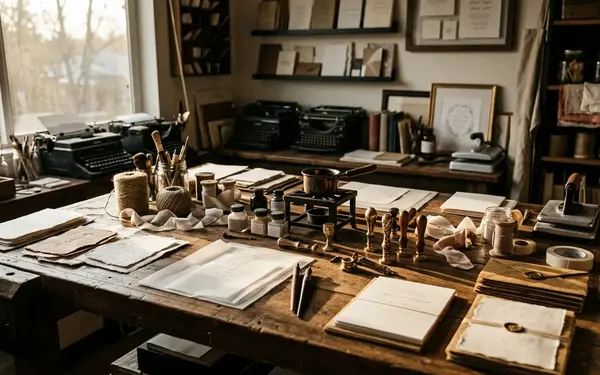
The core elements demanding this dedicated time include heirloom jewelry, full invitation suites, and the surrounding architectural context. Every love story possesses a unique narrative, and the physical remnants of the planning process carry immense historical weight. The texture of heavy cotton rag paper, the specific hue of a custom wax seal, and the intricate setting of a grandmother's ring all require deliberate, unhurried attention. Faith West Photography approaches these items as critical historical artifacts that set the tone for the entire collection of images.
The quiet hours of the morning provide the only opportunity to capture these details before the chaotic energy of the celebration takes over. The invitation suite acts as the architectural blueprint of the wedding's design, introducing the color palette, the typography, and the overarching aesthetic. Capturing this blueprint with the reverence it deserves demands a significant investment of time. The opening sequence of a wedding album relies heavily on these foundational images to transition the viewer into the story of the day.
Precision Mechanics and Directional Light Control
Arranging rings, invitations, and perfume bottles requires precise, millimeter-level micro-adjustments. The mechanics of composition demand absolute stillness and exact placement, as even the slightest misalignment of a ribbon or a stray shadow can disrupt the visual harmony of the frame. Environmental lighting plays a critical role in this process, specifically addressing the challenges of Philadelphia hotel and loft suites where directional window light must be isolated from mixed artificial overheads.
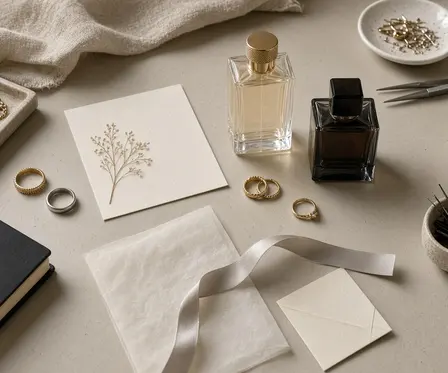
The photographer evaluates the ambient room lighting and rejects the use of the suite's existing overhead tungsten fixtures. These 2700K overhead artificial bulbs conflict with daylight, causing severe color contamination on reflective metals and altering the true tones of the paper goods. To prevent this degradation, the photographer switches off the room's artificial lights. They shape pure directional window light using portable diffusers, modifiers, and reflectors across textured paper and reflective metals. This meticulous manipulation of light and shadow ensures that the true color of the gold bands and the subtle embossing on the invitation suite translate accurately to the final image.
Executing millimeter-level micro-adjustments of vintage stamps and heirloom jewelry against Philadelphia loft window light requires intense concentration. A diffuser softens the harsh morning sun, creating a gentle, wrapping light, while a carefully positioned reflector bounces fill light into the deep shadows of a diamond setting. This level of technical precision cannot be rushed. The interplay of light and shadow across the varied textures of the artifacts creates a sense of depth and dimension that elevates the documentation from a simple record to a piece of fine art.
The Aesthetic Cost of Compressed Timelines
Squeezing detail styling into a frantic ten-minute window exacts a heavy visual cost on the final gallery. When forced into a compressed timeframe, the photographer must triage the composition. They abandon complex multi-tiered layering in favor of a simplified, single-plane arrangement to guarantee at least one usable wide shot. The romantic, ethereal quality of a beautifully styled flat lay evaporates when the process is reduced to a frantic race against the clock.
This rapid-triage approach to detail styling remains viable exclusively in environments with abundant, unobstructed natural light, as spaces requiring artificial strobe manipulation will inevitably yield unrefined results if rushed.
The loss of depth of field control severely impacts the final aesthetic. Proper depth of field control requires apertures roughly between f/2.8 and f/4 to properly layer elements and create a sense of dimension between the foreground artifacts and the background textures. Without the time to build these layers and experiment with different focal planes, the resulting images suffer from flat, two-dimensional artifact documentation. The intricate details of the jewelry and the subtle textures of the paper are lost in a compressed, uninspired composition.
Timeline compression forcing a choice between an aperture close to f/2.8 and flat two-dimensional artifact documentation represents a significant compromise in the quality of the visual narrative. The deliberate, meditative process of a 60-minute styling session allows the photographer to explore different angles, adjust the lighting modifiers, and perfect the composition. A ten-minute window forces a purely utilitarian approach, stripping the artifacts of their artistic potential and reducing them to a mere checklist item.
Preparation Protocol for Artifacts
Maximizing styling time requires strict logistical protocols before the photographer arrives. During the final packing phase the night before, the couple curates a dedicated detail box. This container holds all necessary artifacts: full invitation suites including envelopes, heirloom jewelry, accessories, 3 to 5 loose floral blooms, and 2 sets of vintage stamps that directly complement the color palette. Pre-gathering these items prevents the photographer from spending the first 20 minutes of their coverage time searching through luggage and hotel rooms.
When timeline compression forces a choice between an aperture near f/2.8 and flat two-dimensional artifact documentation, the necessity of this preparation becomes undeniable. The visual harmony achieved by pairing specific loose florals with vintage stamps elevates the entire gallery. The 20 minutes saved by avoiding a frantic search translates directly into more creative freedom for the photographer, allowing them to focus entirely on the mechanics of composition and light manipulation.
- Full Invitation Suites: Include all envelopes, RSVP cards, and custom wax seals.
- Heirloom Jewelry: Gather all rings, necklaces, and family pieces to be photographed.
- Loose Florals: Secure 3 to 5 loose floral blooms from the florist that match the day's arrangements.
- Vintage Stamps: Provide 2 sets of vintage stamps that complement the invitation's color palette.
The psychological relief of having the detail box ready upon the photographer's arrival sets a calm, focused tone for the rest of the morning. The photographer can immediately begin their work, establishing the visual baseline without unnecessary delays or interruptions. This proactive approach ensures that the artifacts receive the dedicated attention they require to shine in the final collection.
Finalizing the Morning Schedule
The trade-off between timeline compression and the preservation of physical wedding artifacts requires careful consideration during the planning process. During the final logistical review, typically 4 to 6 weeks prior to the event for final timeline lock-in, the photographer and planner audit the morning schedule. They decide to hard-code the artifact documentation block into the timeline immediately preceding the conclusion of hair and makeup.
This strategic placement ensures that the styling occurs during the quietest part of the morning, allowing the photographer to work uninterrupted while the bridal party finishes their preparations. The collaboration between the photography studio and the planning team during this phase guarantees that the necessary 45 to 60 minutes are protected from the inevitable delays that occur later in the day. Venues like Ballroom at the Ben demand a high level of logistical precision, and securing this initial block of time is critical to the success of the overall coverage.
The quality of the final gallery's opening narrative hinges entirely on this initial time investment. The artifacts of the celebration carry immense emotional weight, representing months of careful planning and generations of family history. They deserve to be documented with the same level of artistry and precision as the ceremony itself. Will you allocate the necessary hour to preserve the artifacts of your celebration, or relegate your family heirlooms to a frantic afterthought?