The Authenticity Deficit in Coordinated Portraiture
Why do perfectly coordinated couples often appear rigid and unnatural in their engagement photographs?
The answer lies in the friction between visual perfection and physical comfort. Authentic documentation requires subjects to feel entirely grounded in their physical presentation. When individuals wear garments purchased specifically for a photo session, they frequently adopt the stiff posture of a mannequin rather than the relaxed demeanor of a person in love.
Styling Evolution Directive The common practice of matching outfits frequently suppresses individual character. Transitioning toward individualistic styling prioritizes personal comfort and authentic movement over rigid color coordination, resulting in deeply romantic and genuine imagery.
Examining three years of portfolio outtakes from the Faith West Photography studio reveals a distinct pattern. Subjects consistently displayed relaxed shoulders and genuine intimacy only during the post-session walk to the car, long after the formal direction had ended. The highly coordinated garments chosen for the camera often inhibited the very connection they were meant to celebrate.
The Behavioral Mechanics of Unfamiliar Garments
Clothing dictates movement. When Faith West, lead photographer, directs couples in historic environments, the approach requires a shift from static posing to movement-based prompts. This technique evaluates how unfamiliar, stiff fabrics restrict a natural stride and alter micro-expressions.
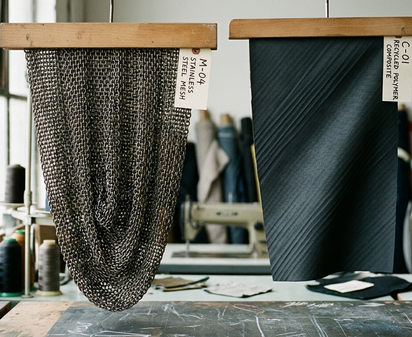
The initial 14 to 18 minutes of a session frequently involve subjects physically adjusting to the sensation of unwashed or heavily starched new garments. Rigid posture and restricted breathing are routinely caused by wearing unwashed raw denim or heavily boned bodices for the first time. Subjects wearing their preferred, everyday silhouettes exhibit significantly more fluid movement, allowing the camera to capture the fleeting, authentic moments that define their relationship.
The psychological discomfort of an outfit translates directly to physical stiffness on camera. This phenomenon is closely tied to enclothed cognition, where the symbolic meaning and physical experience of clothes influence the wearer's psychological processes. A couple cannot project effortless romance while simultaneously worrying about a slipping strap or a restrictive collar.
Case Study: Texture and Contrast Over Color Uniformity
Abandoning identical color palettes in favor of complementary, distinct textures yields profound visual depth. Drawing on an analysis of recent sessions at Ballroom at the Ben, the evidence suggests that contrasting fabric weights elevate the romantic narrative far more effectively than matching hues.
To highlight distinct personalities, one specific styling direction focused entirely on contrasting textures. We initially considered having both subjects wear structured wool to combat the autumn wind, but discarded that approach to avoid visual heaviness. Under reported conditions, the final composition featured a 22-ounce Donegal tweed overcoat paired with a 16-momme silk charmeuse dress, even as ambient temperatures dropped to 42 degrees Fahrenheit.
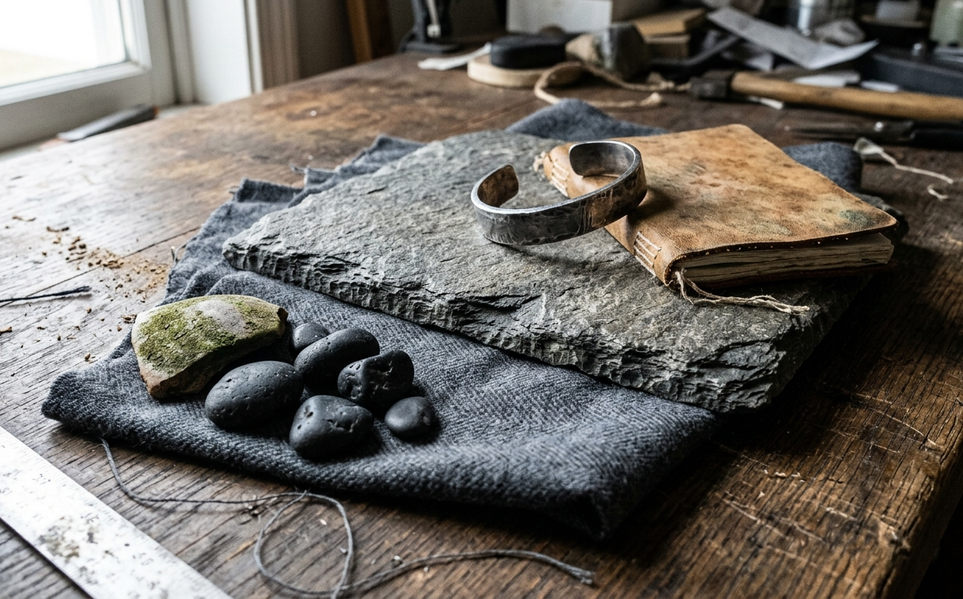
This divergence in styling highlights the distinct personalities of the individuals while maintaining a cohesive, elegant frame. The heavy tweed provided a rugged, architectural anchor, while the silk introduced movement and grace. Environmental context plays a crucial role in these selections; lightweight silk drapes fluidly in humid summer air but clings statically during dry winter winds.
Methodology for Curating Individualistic Wardrobes
Selecting garments based on personal identity requires a structured, practical approach. As a dedicated service provider, the Faith West Photography studio developed a curation methodology by having couples physically test their selected garments in their living rooms. This process mimics the exact walking, embracing, and sitting motions required during an active session.
Environmental context dictates practical necessities. Navigating a 300-yard stretch of uneven Belgian block in Old City demands entirely different footwear and fabric choices than a session in a natural landscape. A stiletto heel on cobblestone forces a hesitant, unbalanced gait, instantly destroying the illusion of a carefree, romantic stroll.
Photographers and subjects must also evaluate fabric response to natural light. Heavily textured, dark fabrics absorb ambient light rapidly, requiring sessions to conclude 35 to 45 minutes before actual sunset rather than pushing into deep twilight. Understanding these material behaviors ensures the final gallery reflects both the couple's authentic dynamic and the highest standards of photographic artistry.
Executing Your Wardrobe Audit
The wardrobe audit process was designed to bypass the anxiety of retail shopping by forcing couples to evaluate the structural compatibility of pieces they already own, have broken in, and associate with positive memories.
Immediately audit your existing closet to identify the specific garments you wear frequently and feel most confident in. Photograph these existing pieces during a 45-to-60-minute afternoon window when indirect sunlight fills the room. Evaluate their structural compatibility, movement, and how the fabrics respond to natural light before finalizing your session wardrobe.