Architecting the Post-Ceremony Portrait Window
Generations gather on a wedding day to celebrate a unique narrative, and capturing these bonds requires both artistic vision and rigorous logistical planning. The family portrait block remains the singular segment of a wedding day where dozens of guests must be systematically directed within a rigid, continuous timeframe. The emotional high of the recessional immediately meets the practical hurdle of organizing large groups of elated, distracted relatives. Coordinating on the order of 40 extended family members simultaneously during a rigid post-ceremony window of circa 45 minutes demands absolute precision from the photography studio.
Drawing on an analysis of timeline breakdowns from luxury weddings, free-form grouping requests consistently cause cascading delays that cut deeply into the reception. Couples often underestimate the sheer volume of time required to move people into position, adjust their posture, and capture a flawless image. A successful portrait session relies entirely on strict sequencing, explicit naming conventions, and dedicated wranglers to maintain momentum. Leaving this segment of the day to chance guarantees frustration and missed opportunities for candid celebration.
To evaluate the effectiveness of a portrait strategy, planners and photographers measure the process against three specific metrics:
- Efficiency of movement: The speed at which groups can enter and exit the designated shooting area without causing bottlenecks.
- Clarity of instruction: The ability of the photography team to communicate exactly who is needed and where they should stand.
- Minimizing disruption: The overarching goal of returning guests to the cocktail hour as swiftly as possible to enjoy the hospitality they were invited to experience.
Blueprint for the Formal Groupings
A seamless portrait session begins weeks before the event date, during the drafting of the shot list. This document provides the working plan for the entire post-ceremony block. A poorly constructed list creates confusion, while a highly specific, strategically ordered document allows the service provider to execute the vision flawlessly.
Eliminating Relational Titles in Favor of Exact Names
Planners deliberately abandoned the traditional approach of listing relational titles on the shot list. Writing "Bride's Aunts and Uncles" or "Groom's Cousins" introduces immediate friction into the timeline. This outdated method forces the newly married couple to act as translators on the day, scanning the room to identify missing relatives while managing their own post-ceremony adrenaline. This dynamic directly causes relational title translation delays during post-ceremony blocks, draining precious minutes from the schedule.
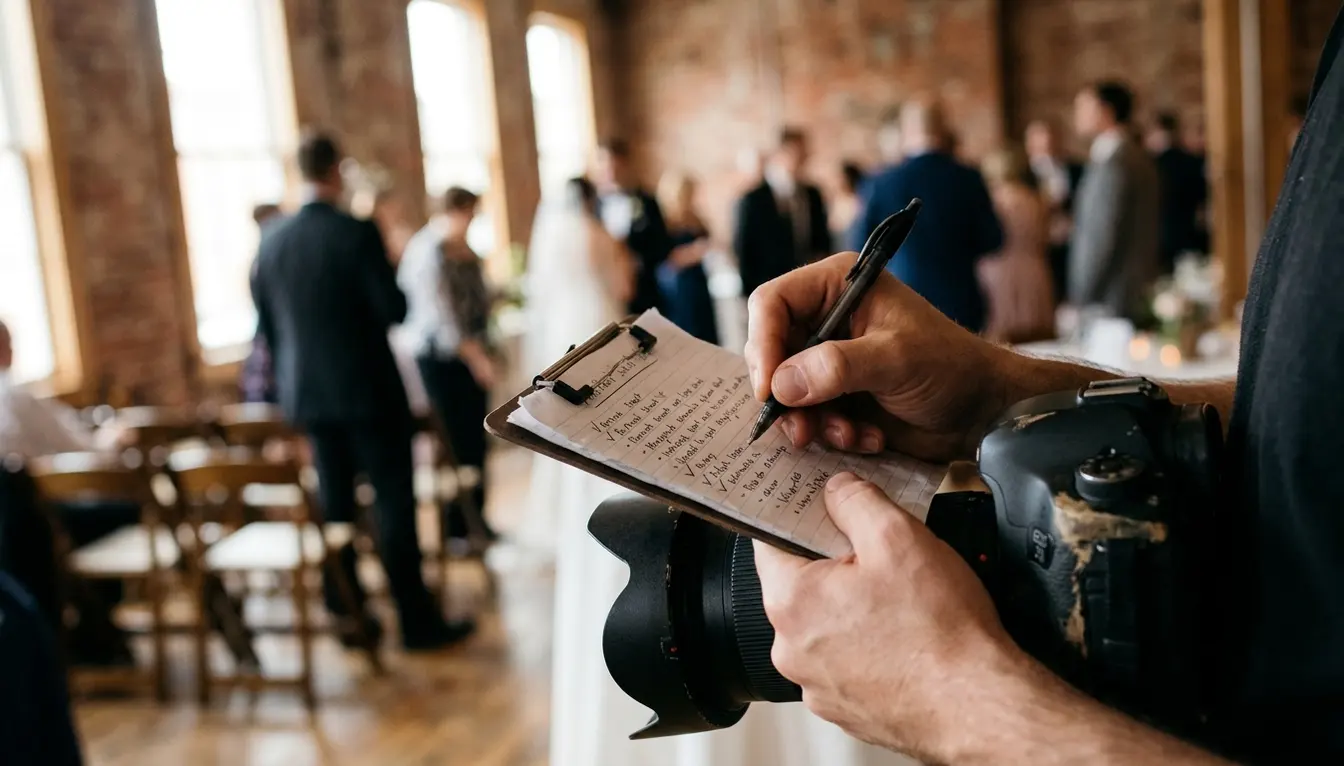
Mandating exact first names allows the lead photographer to call out specific individuals directly. When Faith West holds a clipboard with precise names, the instruction changes from a vague request to a direct call to action. Hearing "Eleanor, Thomas, and Susan, please step forward" cuts through the ambient noise of a celebrating crowd. This level of specificity relieves the couple of the burden of directing their own family, allowing them to remain present and relaxed in front of the lens.
Prioritizing Extended Family for Immediate Release
The order in which groups are photographed carries just as much weight as the names on the list. Photographing the largest extended family groups first allows them to transition to the cocktail hour immediately. The focus then narrows down to immediate family, and finally, just the couple, as the session progresses. According to common estimates, the primary objective involves clearing groups of 15 to 25 people within the first 12 minutes of the session.
Historic Venue Transition Protocol When operating within the strict 60-minute cocktail hour transitions typical of historic Philadelphia estates, moving large groups efficiently becomes a logistical necessity to prevent bottlenecks in the venue's corridors and ensure catering schedules remain intact.
This sequencing strategy aligns perfectly with the architectural and operational realities of grand spaces like the Ballroom at the Ben. Philadelphia historic venue cocktail hour transition constraints dictate that space is at a premium, and staff require clear pathways to flip rooms and serve guests. Releasing the largest groups early respects the venue's operational flow and maximizes the guests' enjoyment of the evening.
Executing the Timeline with Dedicated Personnel
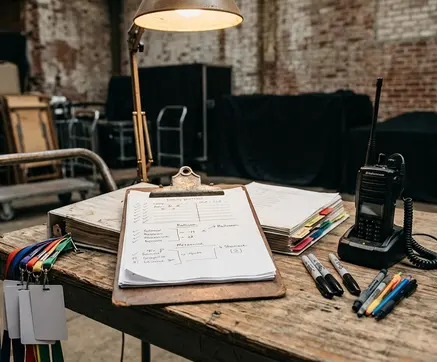
Even the most meticulously drafted shot list requires human intervention to execute. The photographer must remain focused on lighting, composition, and the subjects currently in the frame. Managing the guests who are waiting their turn requires a separate, dedicated individual.
Deploying an Assertive Guest Coordinator
The selection of a family wrangler involves identifying a specific personality type—a vocal, assertive relative or friend who knows the key players by face. This individual is explicitly excluded from the immediate bridal party. Bridesmaids and groomsmen are required for their own portraits, hold bouquets, and are part of the bridal party dynamic, making them unavailable for crowd control. An independent wrangler remains free to hunt down missing guests while the bridal party is being photographed.
The wrangler operates a step ahead of the camera. They gather 3 to 4 upcoming groups in a holding area adjacent to the shooting zone. This holding area functions much like a theatrical green room, ensuring that the moment the photographer finishes with one group, the next is immediately ready to step onto the mark. This continuous flow eliminates the dead air that typically plagues disorganized family portrait sessions.
Calculating the True Minute Cost of Group Poses
Time allocation in wedding photography is a qualitative reality, governed by the physical movement of human beings in formal attire. Each group requires dedicated time to assemble, pose, and adjust. The total number of groups directly dictates the length of the portrait block. Planners allocate 2.5 to 3 minutes or thereabouts per grouping of six or more people.
Those three minutes evaporate quickly. The first thirty seconds involve guests walking onto the set and finding their general placement. The next minute requires the photographer to arrange heights, fix posture, ensure symmetry, and check that no one is hidden behind another guest. The final ninety seconds are dedicated to capturing multiple frames to guarantee open eyes and natural expressions. Arranging heights, fixing posture, and ensuring open eyes consumes this block entirely—a reality that surprises many couples during the planning phase.
These pacing guidelines apply strictly to traditional post-ceremony portrait blocks, as integrating a pre-ceremony 'first look' fundamentally shifts the timeline into earlier daylight hours and removes the immediate pressure of the cocktail hour transition. When all formal portraits occur after the ceremony, the 2.5 to 3-minute rule remains an unbreakable law of timeline physics.
Refining the Final Logistical Document
The transition from a rough draft to a finalized portrait strategy requires a critical eye and a willingness to edit. The desire to capture every possible combination of relatives often conflicts with the reality of the setting sun and the contracted hours of the photography studio.
During the final logistical review, the lead photographer cross-references the drafted shot list against the venue's specific sunset time and the contracted coverage hours. This step trims any redundant combinations before the wedding day. If the sun sets at 5:30 PM and the ceremony ends at 5:00 PM, the available natural light dictates a highly condensed list. The list is finalized 4 to 6 weeks prior to the event date, providing ample time to distribute the final version to the designated family wranglers and wedding planners.
Couples must review the completed list with Faith West Photography to ensure the planned groupings align with the contracted coverage time and venue logistics. A focused timeline limits the formal list to 10 to 12 essential groupings. This limitation ensures that each photograph receives the attention to detail it deserves, resulting in heirloom-quality images rather than rushed snapshots.
Embracing this structured approach transforms the family portrait block from a chaotic chore into a smooth, elegant process. It honors the presence of extended family while fiercely protecting the couple's time. As you finalize your own timeline and review the myriad of possible family combinations, one critical evaluation remains. Which extended family groupings are truly essential for formal portraits, and which can be captured candidly during the reception?