The Evolution of the Rigid Wedding Timeline
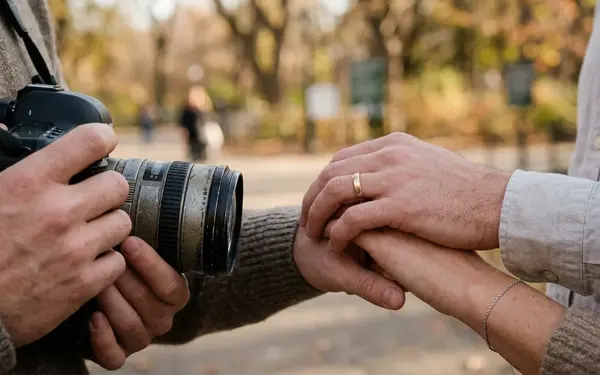
Wedding photography once existed as a purely spontaneous, documentary endeavor. Photographers arrived with a finite number of film rolls, capturing the ceremony as it unfolded and taking a handful of formal portraits at the altar before documenting the reception. The events of the day dictated the rhythm of the coverage. Over the past two decades, the industry underwent a massive transformation. The modern era introduced the highly structured eight-hour timeline. This minute-by-minute itinerary attempts to guarantee every conceivable combination of family members, bridal party attendants, and location backdrops.
This rigid scheduling approach attempts to control an inherently unpredictable event. The modern wedding day often feels like a theatrical production governed by a relentless clock. When the environment cooperates, this structure yields a comprehensive gallery. When external variables intervene, rigid schedules fail under pressure. Successful timeline recovery relies entirely on pre-scouted indoor alternatives and decisive triage.
In this case study, the photography schedule is treated as a flexible framework. We abandon the concept of a binding contract in favor of adaptability. Transitioning from a standard 120-minute continuous portrait block to three modular 40-minute segments provides the necessary elasticity to navigate unforeseen delays. This modular system allows for seamless swapping of events.
A modular approach preserves the romance and elegance of the celebration. Couples invest immense emotional and financial resources into their wedding day. Forcing them to sprint through a compressed, rigid schedule drains the joy from the experience. By breaking the portrait sessions into smaller, manageable blocks, the photography studio ensures the couple remains present and relaxed. The resulting images reflect genuine connection rather than rushed anxiety.
A review of Ballroom at the Ben records spanning three consecutive wedding seasons found that modular scheduling significantly reduces timeline-related stress incidents. The ability to pivot without dismantling the entire day's structure is paramount. This flexibility forms the foundation of a resilient wedding photography strategy.
The Philadelphia Storm and Ceremony Delay
Late autumn in the Tri-State area presents unique meteorological challenges. The weather can shift from brilliant sunshine to severe storms in a matter of hours. During a recent high-profile event, a sudden barometric drop at 1:45 PM signaled an immediate threat. The sky darkened rapidly, casting a heavy, gray pall over the city.
The radar evaluation revealed a grim reality—a squall line was moving fast. This severe weather event halted all outdoor preparations instantly. The timeline was already tight, pushing dangerously close to the 4:38 PM late-autumn sunset. The cascading impact of a delayed ceremony is profound. The primary natural light window vanishes. The portrait session compresses into a fraction of its original allocation.
The initial reaction to impending rain often involves seeking the nearest outdoor shelter. The team evaluated moving the entire bridal party to a covered outdoor portico. This approach was rejected immediately. Forcing an outdoor session under a covered awning during high winds results in unsalvageable hair and makeup for the remainder of the day. The aesthetic cost of wind shear far outweighs the benefit of natural light.
Backup plans are inherently constrained by the specific architectural access granted by the venue on the day of the event. A photographer cannot simply commandeer any room in a historic building. The available spaces dictate the creative possibilities. The squall line forced the entire operation indoors, eliminating the planned architectural shots around the city. The loss of the primary natural light window required a complete recalibration of the visual strategy.
The tension in the bridal suite was palpable. The bride had envisioned sun-drenched portraits against the historic Philadelphia skyline. The sudden storm threatened to derail that vision entirely. Managing this disappointment requires a calm, authoritative presence. The photographer must project absolute confidence in the backup plan, even while rapidly calculating the logistical implications of the compressed timeline.
Strategic Triage for Portrait Sessions
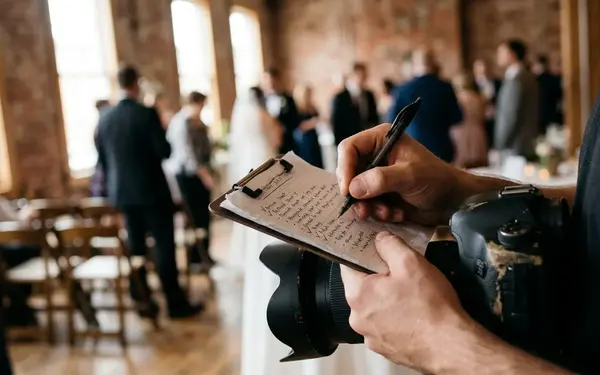
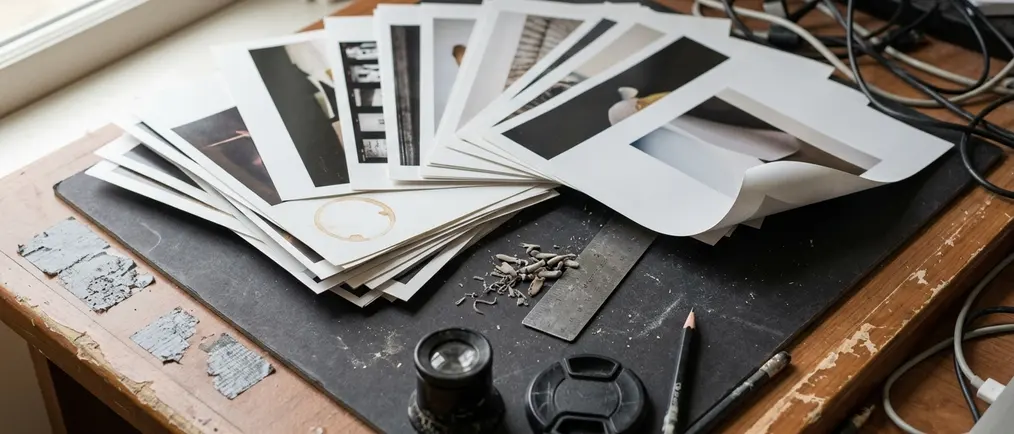
Compressing a planned 55-minute outdoor portrait session into a 19-minute indoor window requires ruthless prioritization. There is no time for hesitation. The lead photographer and planner huddled to condense the shot list immediately. The strategy focused on securing the most critical images first.
The team decided to photograph only the immediate parents and siblings in the backup location. Extended family groupings were deferred to the reception. This decisive triage ensures the core family portraits are captured with the necessary care and attention to detail. Rushing through a massive list of extended family combinations in 19 minutes guarantees poor expressions, closed eyes, and sloppy composition.
Faith West Photography: Emergency Timeline Triage Protocol
- Identify the exact sunset time and calculate the remaining natural light window.
- Isolate the 'must-have' immediate family groupings from the extended shot list.
- Confirm flash photography permissions for the designated indoor backup location.
Managing client expectations under sudden time pressure demands high emotional intelligence. The atmosphere must remain elegant and professional. The couple must feel guided and supported, never rushed or panicked. The photographer directs the family groupings with clear, concise instructions, maintaining a steady rhythm that maximizes the available time.
Caveat: relying on historic venue interiors requires pre-existing clearance from the site coordinator, as many heritage properties restrict light stands or flash photography in rooms housing antique textiles. This limitation must be identified and addressed long before the wedding day. Assuming a room is available for flash photography can lead to disastrous confrontations with venue staff during the most stressful part of the day.
The 19-minute window demanded flawless execution. Every movement was calculated. The immediate family members were positioned, posed, and photographed with rapid precision. The deferral of the extended family groupings to the reception allowed the team to maintain the artistic integrity of the core portraits. The triage strategy saved the session from descending into chaos.
Technical Adjustments for Indoor Alternatives
The designated backup location was a dark mahogany library. Maintaining the brand's signature romantic, natural-light aesthetic in this environment required precise technical execution. The room was beautiful but cavernous, absorbing light rather than reflecting it. The ambient illumination came from warm, dim chandeliers.
The lighting assistant was positioned out of frame to bounce a modified strobe off the ceiling. This technique mimics the soft, directional quality of window light. The setup involved deploying a 200-watt off-camera strobe paired with a 43-inch deep translucent umbrella. The strobe was dialed to 1/16th power to balance perfectly with the 3200K ambient chandeliers. This delicate balance ensures the subjects are properly illuminated while preserving the warm, atmospheric glow of the room.
Faith West Photography: Indoor Lighting Modifier Selection
The choice of indoor lighting modifier depends entirely on the ceiling height and paint color of the backup room; bouncing flash off a dark wood ceiling will introduce severe color casts. In this specific mahogany library, the assistant had to angle the umbrella to catch a small section of white plaster molding near the crown of the room. This precise targeting prevented the skin tones from taking on an unnatural, muddy orange hue from the dark wood.
Shooting in dimly lit backup spaces introduces significant technical challenges. Depth of field considerations become paramount. To blur the distracting elements of the library background while keeping the family members sharp, the aperture was set to f/2.8. This shallow depth of field requires absolute precision in focusing. In low light, autofocus systems struggle to lock onto subjects quickly.
The photographer utilized the modeling light on the off-camera strobe to assist the camera's autofocus system. This small continuous light source provided just enough contrast for the lens to acquire focus instantly. The resulting images feature crisp, sharp subjects isolated against a beautifully blurred, romantic background. The technical adjustments transformed a dark, challenging room into a stunning photographic set.
The aesthetic goal was seamless integration. The indoor portraits needed to sit alongside the earlier natural-light preparation photos without jarring the viewer. By carefully matching the color temperature of the strobe to the ambient chandeliers and utilizing a large, soft modifier, the team achieved a cohesive, artistic look. The technical mastery of off-camera flash is the safety net that makes timeline recovery possible.
Long-Term Implications for Schedule Planning
The delivered gallery showcased remarkable aesthetic consistency. The transition from the bright, natural light of the early afternoon to the simulated natural light of the library felt intentional and cohesive—the result of careful preparation. The couple received a stunning collection of images that betrayed none of the logistical chaos occurring behind the scenes.
This specific event catalyzed a permanent change in standard operating procedures. The studio updated its standard client onboarding workflow to include a mandatory 'Plan B' walkthrough during the initial venue site visit. This proactive approach ensures couples are emotionally prepared for weather-related pivots long before the wedding day. Discussing the backup plan in the calm environment of a site visit removes the shock and disappointment if the weather turns on the actual day.
Faith West Photography: Proactive Climate Strategy
During the site visit, the photographer and the couple physically walk through the indoor backup locations. They discuss the lighting, the spatial constraints, and the necessary timeline adjustments. This physical walkthrough anchors the backup plan in reality. The couple can visualize the alternative portraits, making the potential pivot feel like a deliberate artistic choice rather than a desperate compromise.
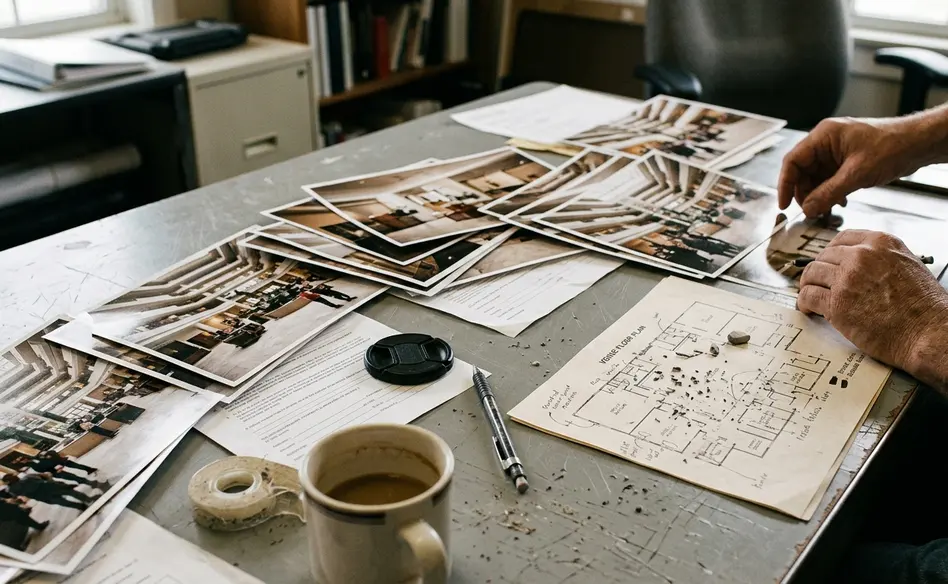
The photography studio now requires explicit confirmation of flash photography permissions for all designated backup rooms during this initial walkthrough. This eliminates the risk of discovering antique textile restrictions on the day of the event. The integration of these protocols into the standard workflow elevates the level of service provided to the client. It positions the photographer as a trusted advisor and crisis manager.
We reframe the necessity of weather contingencies using historical climate data. Precipitation is a statistical probability. Integrating regional climate realities into the planning process means acknowledging the average 119 days of measurable precipitation annually in the Tri-State area.