Mastering the Grandeur: Foundational Illumination at Cescaphe
Standing beneath the towering, floor-to-ceiling drapes as the ambient light drops, the crystal chandeliers become the dominant light source, casting complex, multi-directional shadows across the dance floor. The sheer scale of the environment immediately dictates the technical approach. With ceiling heights reaching approximately 30 feet, the architectural volume of the space demands a highly calculated lighting strategy. Photographers entering this environment must immediately abandon standard bounce-flash techniques and adopt a rigorous, multi-point illumination plan.
Success in this venue requires metering exclusively for the chandelier highlights. By locking in this baseline exposure, the photographer preserves the intricate details of the crystal fixtures. Highly directional off-camera flash is then introduced to fill the resulting shadows on the subjects. Furthermore, professionals must treat the highly polished floors as secondary light sources, utilizing their reflective properties to bounce controlled fill light back onto the subjects' faces. This approach transforms a potentially problematic surface into a valuable asset for portraiture.
Drawing on archival lighting schematics maintained by Faith West Photography since the venue's early operational years, the foundational approach relies on three primary variables. The ambient exposure dictates the mood and background presence. The flash duration freezes the motion of the subjects during fast-paced moments. Finally, the modifier selection controls the precise spread and quality of the artificial light introduced into the scene. Balancing these three elements ensures the final images reflect the elegant, deeply romantic atmosphere inherent to the space.
Deconstructing the Architectural Glow
The specific lighting challenges of the venue stem directly from the color temperature and intensity of the architectural fixtures. The chandeliers emit a distinct, warm luminescence, with their color temperature hovering around 2800K. Introducing standard, daylight-balanced flash into this environment creates a jarring color disparity, rendering the subjects unnaturally cool against a heavily orange background. Harmonizing the artificial light with the venue's practical lights requires precise color management at the source.
To achieve this harmony, photographers apply full CTO (Color Temperature Orange) gels to all off-camera flash units. This physical modification shifts the output of the strobes to match the 2800K ambient glow perfectly. Context-dependent variations frequently arise during live events, requiring immediate adjustments. The lead photographer must evaluate the CTO gel strength based on whether the band brings dedicated LED wash lights or relies entirely on the venue's tungsten chandeliers. Adapting to these external lighting sources ensures a cohesive color palette across the entire gallery.
Exposing for the ambient light first guarantees the dramatic mood of the room remains intact. To register the ambient glow without introducing motion blur from the dancing subjects, shutter speeds are dragged between 1/60th and 1/125th of a second. This specific shutter speed range allows sufficient continuous light to reach the sensor, illuminating the background drapes and chandeliers, while the brief burst of the gelled flash freezes the primary subjects in sharp focus. The resulting images exhibit a seamless blend of environmental grandeur and crisp subject detail.
Geometry and Placement for Cross-Lighting
Establishing a cross-lighting pattern that cuts through the ambient darkness requires navigating the room's massive structural pillars. The geometry of the space dictates precise placement of the off-camera flash units to avoid casting unwanted, distracting shadows across the dance floor. Photographers must position the light stands strategically, utilizing the pillars as natural flags to hide the light sources from the camera's view while maintaining a clear line of sight to the subjects.
Attempting to bounce flash off the draped ceilings results in severe light loss and a muddy color cast. The heavy fabric absorbs the light energy, rendering the flash virtually useless for illuminating the subjects below. Recognizing this physical limitation, the strategy shifts entirely to direct, modified cross-lighting. The light stands are elevated to circa 9 feet, establishing a high vantage point that mimics natural overhead illumination.
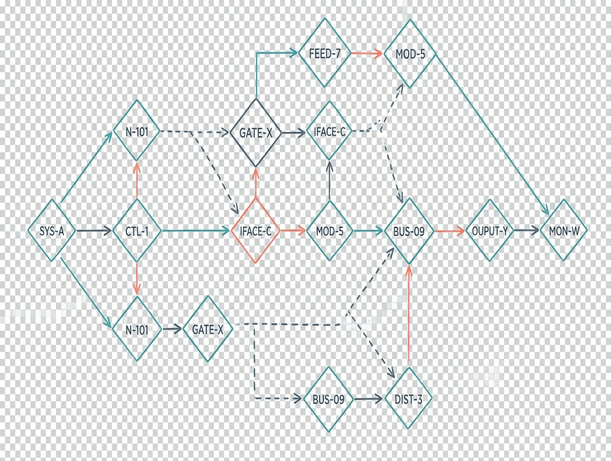
From this elevated position, the flash heads are set at a 45-degree downward angle. This specific angle of incidence is critical for managing the highly reflective dance floor and mirrored architectural accents. By angling the light downward, the reflections are bounced safely away from the camera lens, eliminating the risk of blown-out hotspots in the foreground. This geometric configuration ensures the light wraps around the subjects elegantly, providing deep, sculpting shadows that enhance the romantic atmosphere of the celebration.
Cescaphe Ballroom Lighting Setup Checklist
- Meter ambient exposure for chandelier highlights (approx. 2800K).
- Apply full CTO gels to off-camera flash units.
- Elevate light stands to a height on the order of 9 feet to angle light downward.
- Attach 20-degree honeycomb grids to control light spill.
Modifier Selection and Lens Compression
Selecting the appropriate modifiers involves balancing strict light control against the necessity for subject mobility. The highly polished dance floor and mirrored walls demand aggressive light restriction to prevent unwanted spill. To achieve this, photographers equip the strobes with honeycomb grids and snoots. These modifiers channel the light into a tight, focused beam, ensuring the illumination only strikes the intended subjects and falls off rapidly before hitting the reflective surfaces.
The technical specifications of these modifiers are highly specific. The equipment relies on a 20-degree to 30-degree beam spread from the honeycomb grids. This narrow channel of light creates a dramatic, theatrical effect, isolating the couple within a pool of illumination. While heavy grid modifiers effectively eliminate glare on reflective surfaces, they severely restrict the beam spread, requiring the photographer to maintain precise, continuous tracking of moving subjects during fast-paced events. The margin for error is exceptionally small, demanding intense focus and anticipation from the operator.
Lens selection works in tandem with this lighting strategy to maximize the visual impact of the venue. Utilizing a 70-200mm lens provides significant optical compression, drawing the massive chandeliers closer to the subjects and creating a dense, layered composition. Conversely, deploying a 35mm or 24mm lens captures the environmental grandeur of the draped ceilings, emphasizing the vast scale of the ballroom. Alternating between these focal lengths allows the photography studio to deliver a comprehensive narrative that highlights both the intimate moments and the architectural magnificence of the space.
Calculating Distance and Exposure Dynamics
Combining the modified flash with the established ambient baseline requires finalizing the exposure triangle through precise distance calculations. The physical placement of the light stands directly influences the intensity and quality of the light reaching the subjects. Photographers must calculate the exact distance for the off-camera flashes to leverage the inverse square law of light. By understanding this physical law, professionals stop fighting the cavernous size of the ballroom and use rapid light falloff to intentionally plunge distracting backgrounds into deep, cinematic shadow.
The execution of this principle relies on strict adherence to measured distances. Placing the strobes at a calculated distance from the center of the dance floor establishes a predictable zone of optimal exposure. When the subjects move within this defined area, the light wraps around them with consistent intensity, ensuring uniform exposure across a sequence of rapid movements.
The mathematical reality of light dispersion dictates the final aesthetic outcome. Operating with a 12-foot flash-to-subject distance creates a highly controlled pocket of illumination in the center of the room. Because light intensity diminishes exponentially as distance increases, this specific placement results in a dramatic 2-stop light drop-off exactly at the 17-foot mark.