Defining Second Shooter Coverage and the Core Verdict
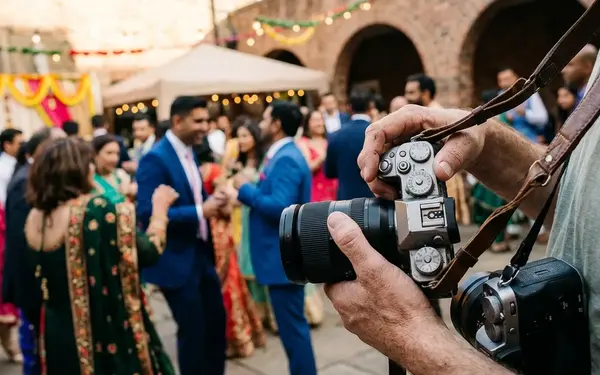
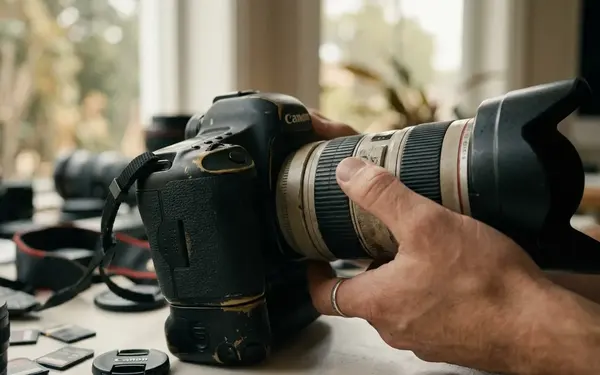
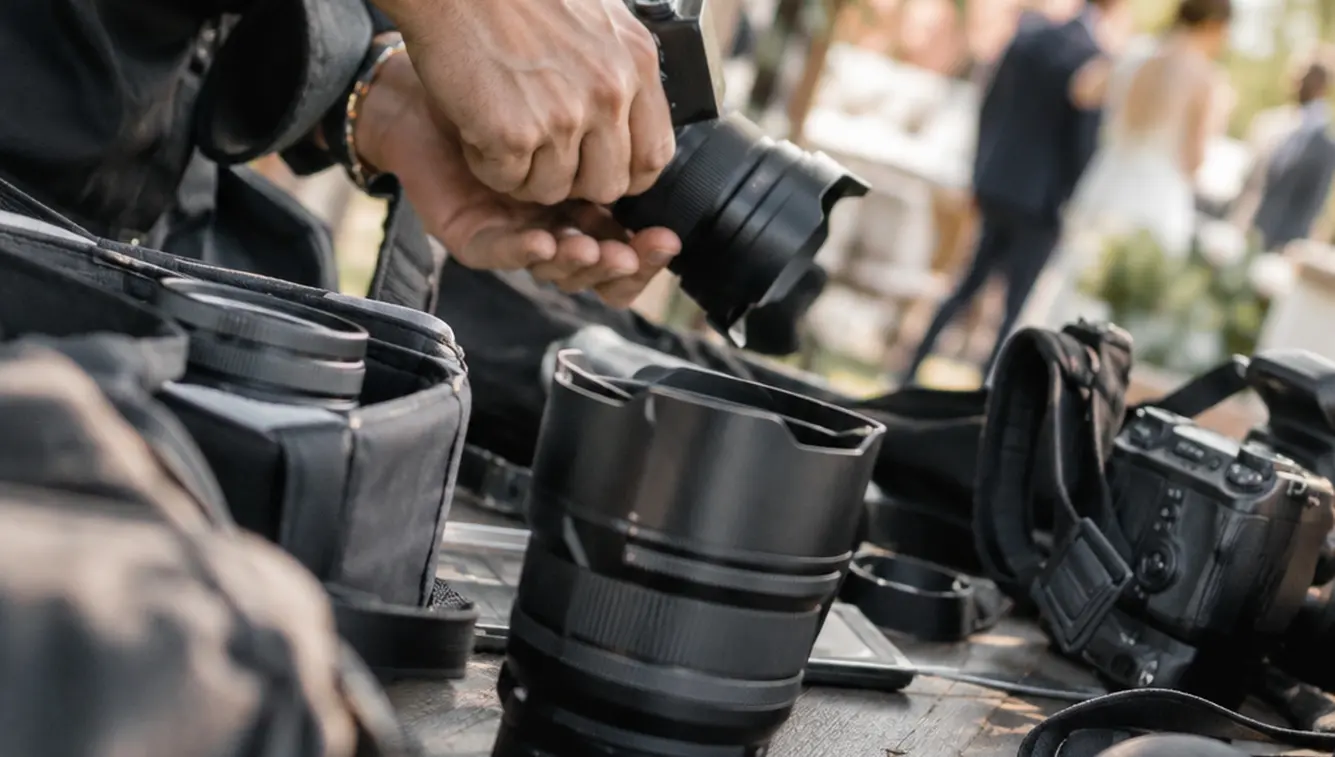
A second shooter operates as a fully equipped professional photographer working independently alongside Faith West, the lead photographer, to document simultaneous angles and parallel timeline events. Each professional carries a complete dual-body kit with internal camera clocks synchronized to the exact second. Evaluating whether a celebration requires two cameras involves mapping the physical distance between rooms against the clock, rather than simply counting the total number of invited guests. Dual coverage eliminates the physical impossibility of one person occupying two rooms or two opposing sightlines at the exact same moment, rather than merely doubling the volume of identical frames.
Single-camera coverage falters when an itinerary demands parallel presence.
Schedules across historic Philadelphia venues tend to present three recurring timeline bottlenecks:
- Divided pre-ceremony preparation locations: Concurrent dressing traditions taking place across separate hotel floors or distinct neighborhood properties.
- Opposing ceremony aisle sightlines: The simultaneous visual exchange between the partner entering the sanctuary doors and the partner waiting at the chancel.
- Overlapping cocktail hour duties: The collision of formal family portraiture, unscripted guest mingling, and the brief window to capture untouched reception design.
When Faith West Photography photographs a complex multi-venue celebration, resolving these three conflicts of distance and timing determines the narrative completeness of the final archival gallery.
Simultaneous Sightlines Inside Tight Ceremony Spaces
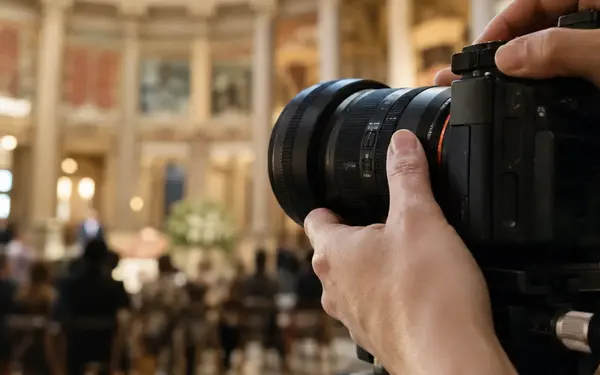
Consider the exact split-second trade-off during a traditional sanctuary processional. As the heavy wooden doors swing open at the rear of the nave, a solo photographer aims toward the aisle entrance to capture the incoming partner stepping into the light. At that exact moment, the photographer's back is turned completely to the partner waiting at the altar. Pivoting a 70-200mm telephoto lens 180 degrees from the bride entering the nave to the groom waiting at the chancel, acquiring autofocus in dim ambient tungsten light, and recomposing takes on the order of 2.5 to 4 seconds. In that brief mechanical interval, the initial involuntary tear or intake of breath at the altar often passes unrecorded.
Architectural and liturgical constraints compound this optical delay. Many traditional Philadelphia parishes enforce a strict fixed-position rule once the prelude concludes and the processional begins, confining a solo lens to the rear nave 60 to 85 feet from the chancel under strict parish movement restrictions. Long center aisles and narrow side pews prevent lateral repositioning once guests stand.
Sanctuary Sightline Geometry
Positioning a second shooter silently in the rear balcony or an approved side transept resolves the processional paradox. While the primary camera tracks the entrance down the center aisle, the secondary telephoto lens remains locked on the chancel, preserving both the sweeping architectural framing and the intimate reaction shots simultaneously without disrupting the sacred atmosphere.
If a couple values both the grandeur of the historic architecture and the micro-expressions at the altar, how can a single lens bridge an 85-foot divide without sacrificing one half of the emotional exchange?
Divided Morning Prep and the Cocktail Hour Bottleneck
Hotel logistics in dense urban centers introduce friction long before the ceremony begins. When partners prepare in separate suites or across different floors connected by slow historic elevators and narrow corridors, physical transit eats directly into photographic coverage. Moving gear cases between separate prep suites across Center City hotel blocks or waiting on high-traffic weekend elevators consumes 12 to 18 minutes per transition.
Shuttling between hotel floors in 20-minute intervals was an approach we previously attempted to cover divided morning preparations solo, but we abandoned that method after finding that waiting on freight-shared historic elevators repeatedly forced couples to stage artificial getting-ready moments. Buttoning a jacket or fastening an heirloom watch an hour early for the camera alters the emotional cadence of the morning. Deploying two photographers allows both suites to breathe, documenting authentic, unscripted candids happening concurrently without fabricated timelines.
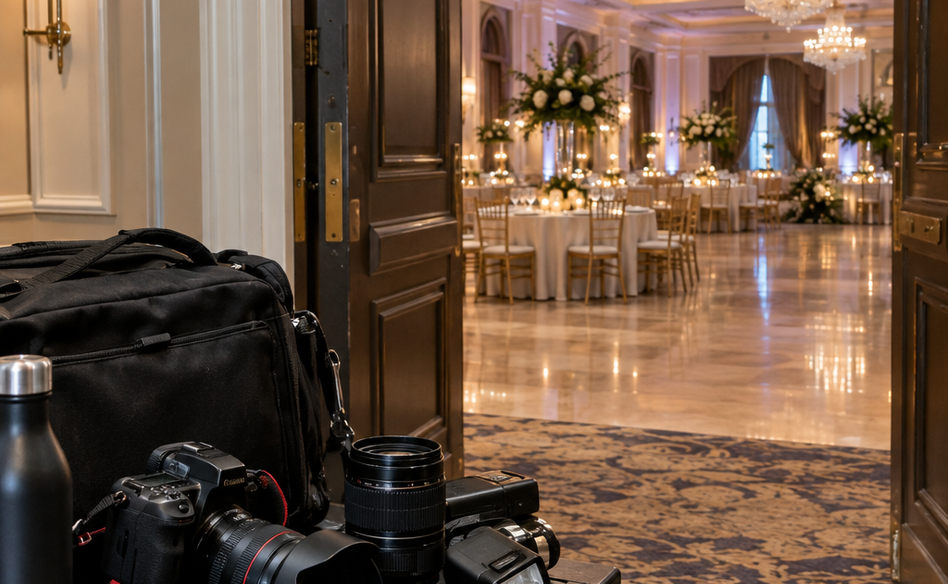
The post-ceremony transition presents an even tighter mathematical squeeze. In a simple arrangement, splitting the 60-minute cocktail hour between 35 minutes of family formals and the 10-minute untouched ballroom reveal window creates a conflict for one person. During a standard 60-minute cocktail hour, directing 10 to 12 family formal groupings and full wedding party portraits requires 35 to 40 minutes of dedicated lead-camera time. Meanwhile, across town at a grand reception venue like Ballroom at the Ben, the floral installations, custom menus, and pin-spotted centerpieces must be photographed in that 10-minute window after lighting technicians finish their focus and before the main doors open to guests.
A solo shooter anchored to the altar steps or courtyard for family portraits cannot simultaneously capture that pristine reception room or the candids of guests mingling over hors d'oeuvres. Within the workflow of Faith West Photography, assigning the second professional to leapfrog ahead to the reception space ensures the culinary and floral artistry is documented before a single napkin is unfolded.
When a Single Photographer Is Genuinely the Right Call
Adding extra equipment to a wedding day is not universally advantageous. Dual coverage becomes counterproductive in intimate dining rooms or historic courtyard venues with fewer than 55 guests where prep, ceremony, and dinner occur under one roof with an unscheduled buffer in the vicinity of 30 minutes built into the timeline. Under these specific, unhurried parameters, a single lead photographer moves with minimal visual footprint and complete creative agility.
Spatial density dictates how guests respond to being photographed. In private restaurant dining rooms or narrow Rittenhouse brownstone courtyards under 1,200 square feet, adding a second camera body puts a lens within 4 to 6 feet of guests at all times. Rather than capturing natural laughter, that proximity can crowd the physical environment and make participants feel overly observed during quiet toasts and table conversations.
Parameters Suited for Solo Coverage
- Consolidated architectural footprint: Celebrations hosted entirely within a single boutique hotel or historic estate where vertical and horizontal transit times drop near zero.
- Intimate guest counts: Micro-weddings and private dining gatherings under 55 attendees where a single lens can sweep the entire room from one vantage point.
- Padded transitions: Schedules that feature first-look portraits and family formals completed prior to the ceremony, leaving the cocktail hour free of structured portrait obligations.
Even in modest spaces, however, the physics of human reflexes versus physical locomotion remain the final arbiter of ceremony coverage: a standard human blink lasts roughly 0.3 seconds, whereas walking briskly from the rear doors of a 60-foot sanctuary aisle to the front pew takes 15 to 18 seconds.