The 5:40 A.M. to 11:00 A.M. Old City Blueprint
How do you capture the historic colonial scale of Philadelphia’s Old City for an intimate wedding before commuter traffic, tour groups, and harsh mid-morning glare compromise the streets?
Anchor the morning to a 5:40 a.m. cobblestone start, separate portrait permissions from ceremony permissions, and pace the route around east-west light. That sequence gives the photographs their progression: enclosed brick, luminous marble, garden intimacy, then the small domestic pleasures of brunch.
I would protect the first look before adding another portrait stop. The dawn-session notes informing this route flag commuter movement and dog walkers along the 2nd Street corridor when the start slips beyond civil twilight. A quiet background becomes harder to maintain once the neighborhood begins its working day.
Treat these clock times as a seasonal planning framework. The supplied route targets late April through mid-August; verify sunrise and civil twilight for the actual date before booking transport. The same clock time cannot promise blue hour throughout that window.
| Time | Location and activity | Photography priority |
|---|---|---|
| 5:40 a.m. | Elfreth’s Alley first look | Ambient-light portraits; keep residential entrances clear |
| 6:30 a.m. | Merchant’s Exchange portico portraits | Directional light and curved colonnade framing |
| 7:45 a.m. | 18th-Century Garden ceremony, if authorized | Wide courtyard context and close vow reactions |
| 8:45 a.m. | Transit and coffee pause | Rest, clothing check, and weather reassessment |
| 9:30 a.m. | Second Bank steps, then brunch arrival | Final architectural portraits and a compact-camera transition |
| 10:15–11:00 a.m. | Seated brunch and closing coverage | Window light, espresso cups, and table conversation |
The schedule sets priorities rather than promising exclusive streets. Keep walking time and loading arrangements inside each segment.
Federal Boundaries and Sleeping Doorways
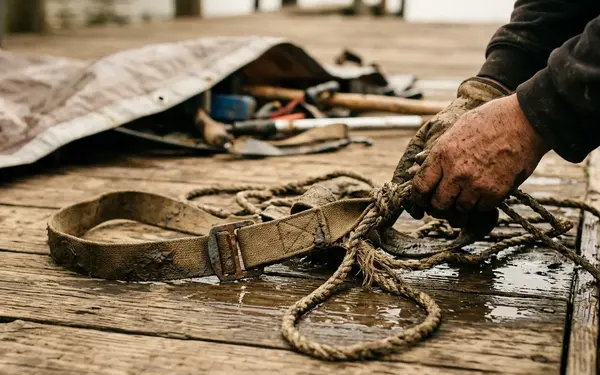
At 5:40 a.m., an alley can look empty while every doorway still belongs to someone’s morning. On Elfreth’s Alley, that distinction should govern the session: quiet instructions, no amplified music, no bags against doors, and immediate passage for residents.
Before confirming the route, mark municipal rights-of-way separately from Independence National Historical Park parcels, especially around 3rd, Chestnut, and Walnut Streets. A sidewalk portrait and a stationary ceremony can fall under different authorities even when their backgrounds appear continuous.
Separate the Applications
Check the Independence National Historical Park special park uses and permit guidelines for current requirements. Describe the ceremony, photography, equipment, and exact locations separately. Confirm whether commercial photography permission applies to the proposed activity; a ceremony authorization should never be assumed to cover every portrait setup.
The route’s planning notes allow four to six weeks for ceremony applications. Treat that as preparation time, then confirm the park’s current deadlines, approved locations, and conditions directly. Keep the 18th-Century Garden slot provisional until its use is authorized.
Keep Loading Space Clear
The supplied street notes identify weekday sanitation and linen-delivery activity between 6:15 and 7:30 a.m. along 2nd, 3rd, and Chestnut Streets. Verify municipal collection days and temporary closures for the wedding date; those observations do not establish a fixed city trash schedule.
Never make an unapproved street closure part of the composition. If a truck occupies the intended background, change the framing and preserve access.
From Elfreth’s Brick to the Merchant’s Exchange Columns
A compact lens sequence lets the architecture change without turning each stop into an equipment reset. My preference is to assign each location a visual task: proximity in the alley, separation at the portico, and unobtrusive observation during vows.
5:40 A.M.: Preserve Ambient Glow
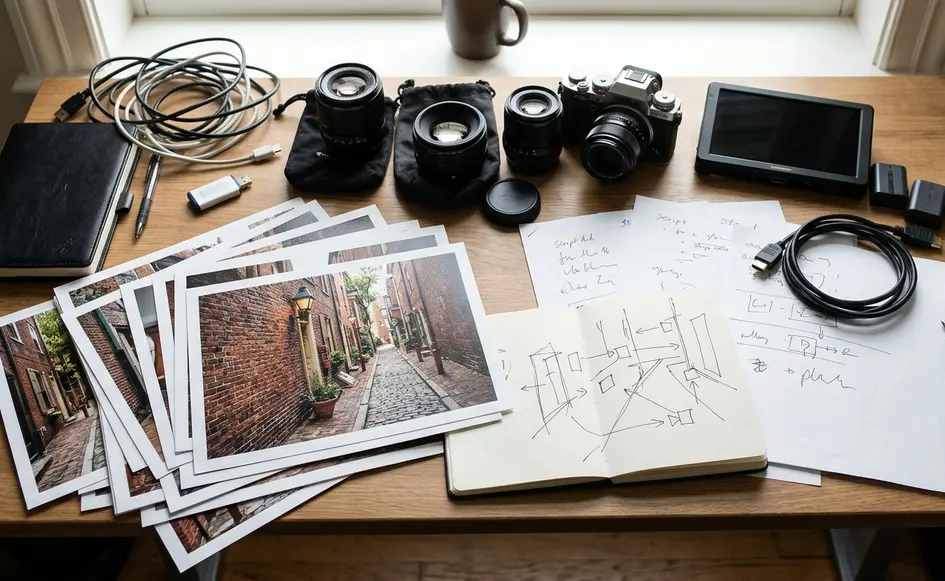
For the alley, the supplied exposure starting point is a 35mm prime at f/1.4–f/1.8 and 1/160 second. Adjust ISO to the available light and check motion sharpness before continuing. A wide aperture gathers the remaining streetlamp glow without flash disturbing nearby homes.
Keep both faces close to the same focus plane. At these apertures, a small difference in distance can leave one expression soft.
6:30 A.M.: Give Marble Its Shape
At the Merchant’s Exchange, assess whether directional light actually reaches the curved colonnade. An 85mm or 50mm lens at f/2.8 can isolate the couple against fluted stone while excluding Dock Street signs. Camera distance creates the perspective relationship; focal length determines the framing from that position.
Use the First Bank as an architectural alternative only after checking access and light. Pale stone needs careful highlight inspection, particularly beside a white dress.
7:45 A.M.: Follow Faces Through Foliage
For the garden ceremony, pair a 24–70mm zoom with an 85mm prime on separate bodies. Establish the courtyard with the zoom, then follow hands and facial reactions with the longer lens. Position the couple where foliage produces consistent shade rather than bright patches across their eyes.
Carry the kit rather than spreading it across garden paths. Confirm equipment restrictions in the permit conditions before bringing tripods, stands, or external modifiers.
When River Fog Replaces Directional Sunrise
Dense river fog changes which backgrounds earn their place in the route. Brick corridors lose directional separation; open sky becomes the more useful light source. Although the supplied notes describe a Delaware River marine layer, the practical decision rests on visible cloud cover and contrast at street level.
Replace the backlit east-facing corridor segment with the Second Bank’s open north lawn, subject to access and permission. There, overhead light reaches faces more freely, and pale Greek Revival stone provides a quieter tonal setting.
Exposure gains depend on the actual sky and surrounding walls. Meter faces again rather than carrying the alley exposure into the open.
- Check reflected highlights. Wet Belgian block pavers can mirror the sky; inspect highlight clipping before lifting shadow exposure.
- Set a deliberate color baseline. Try 5800K–6200K, then check skin and neutral fabric. Mixed street lighting may require a separate correction.
- Rotate a polarizer selectively. It can reduce some surface reflections while costing light. Retain the reflections that support the composition.
Keep the couple on secure footing and photograph the reflective paving from a safe position. Which reflection carries the scene: the stone façade, the hem, or their joined hands?
The 9:30 A.M. Shift from Stone Steps to Espresso
By the Second Bank portraits, the photographic language can loosen. Architectural alignment gives way to walking gestures, coffee passed between hands, and the conversation that follows the ceremony.
Confirm brunch opening and seating arrangements around Front and Market Streets before fixing the transfer. At the vehicle, consolidate the portrait kit into a canvas shoulder bag and keep one compact 35mm setup available. Indoors, leave staff routes clear and let window light carry the champagne pours and table details.
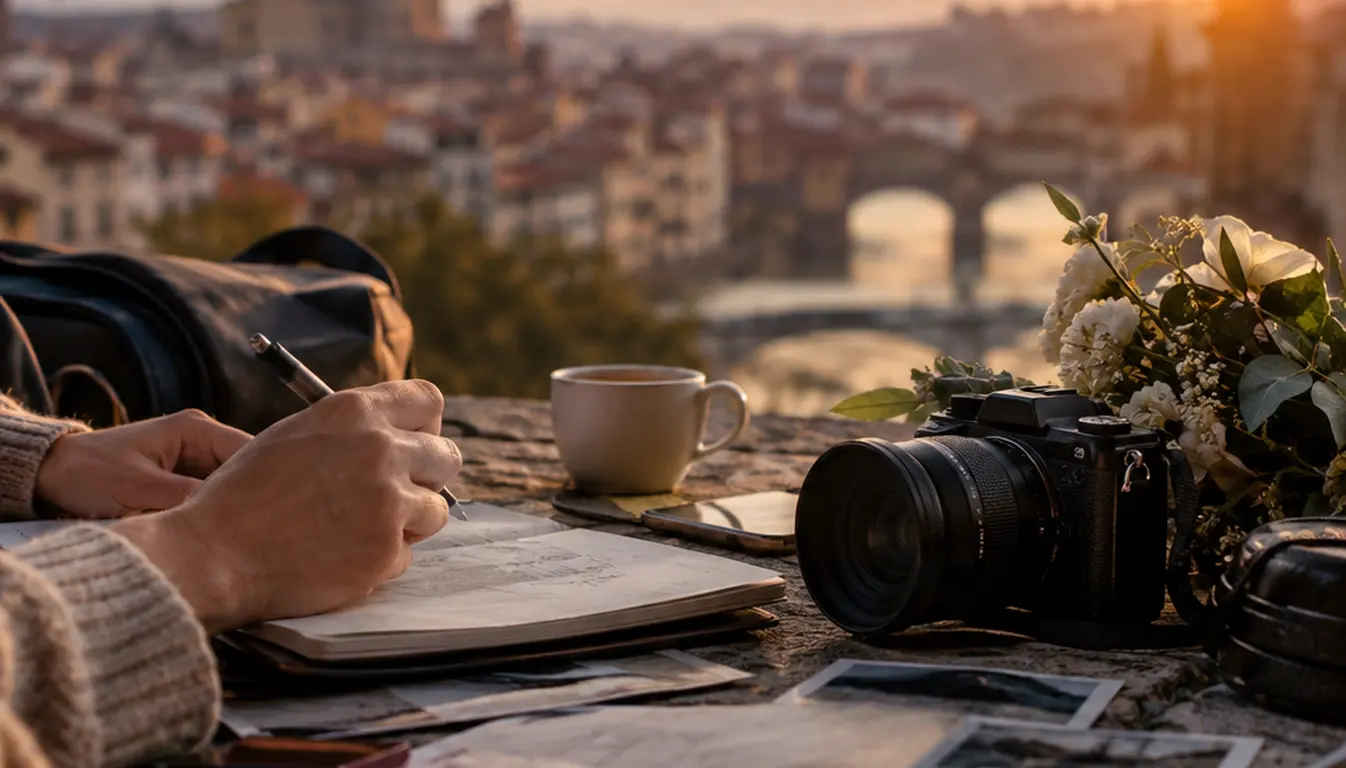
By the morning’s final frame at 10:15 a.m., two cameras rest inside one canvas shoulder bag, silk hems still damp from a permitted walk through Magnolia Garden. At a corner window table on Church Street, a bride and groom clink espresso cups as the first sightseeing carriage rolls past outside.