Visual Fractures in the Cathedral Aisle
The heavy oak doors of a historic Philadelphia cathedral open. A father begins walking his daughter down the aisle. Anticipation fills the vaulted space, only for the moment to be visually fractured by glowing tablets leaning into the center aisle. The culmination of months of meticulous planning, bespoke floral arrangements, and carefully selected musical accompaniment is suddenly overshadowed by the intrusion of consumer electronics. Requesting an unplugged ceremony stands as the single most effective decision couples can make to protect the visual integrity of their wedding record.
Drawing on an audit of three years of cathedral ceremony galleries, the exact moments of visual degradation become quantifiable. Guest devices physically obstruct critical focal planes. This interference typically occurs at a height of 4 to 5 feet along the center aisle, precisely where the couple's faces align in the composition. When a guest extends an arm into this space, they sever the visual connection between the camera and the subject.
These screens also alter the ambient lighting of dimly lit venues in highly destructive ways. The color temperature shifts violently from the warm 3200K ambient venue lighting to the harsh 5500K daylight emitted by tablet screens. This sudden burst of blue-toned light casts unflattering shadows across the faces of nearby guests and ruins the carefully designed atmospheric lighting of the sanctuary. Authentic emotional reactions vanish, replaced entirely by distracted posture and illuminated faces staring downward at digital displays.
Geometric Constraints of Historic Architecture
Analyzing the geometry of ceremony photography reveals how extended arms and screens physically block the camera's line of sight during processional and recessional moments. Based on portfolio reviews of Tri-State area weddings over the past decade, the physical constraints of historic architecture exacerbate device interference. While expansive spaces like the Ballroom at the Ben offer some spatial forgiveness, historic 18th-century Philadelphia chapel aisles measuring between 48 and 60 inches in width leave zero margin for spatial compromise.
When a bride and her escort walk down an aisle of this specific width, they occupy nearly the entire available space. If a guest leans out just six inches with a smartphone, they cross the invisible boundary of the focal plane. When addressing these spatial constraints, initial considerations involved shooting with wider focal lengths to incorporate the devices as part of a modern documentary narrative. This approach was rejected. It severely diluted the emotional focus of the couple's movement, distorting the edges of the frame and emphasizing the crowd of devices over the intimacy of the milestone.
The technical limitations of modern camera equipment further complicate the issue of device interference. Phase-detection autofocus systems rely on contrast to lock onto a subject. These autofocus systems lose 0.5 to 1.2 seconds hunting when a high-contrast screen unexpectedly enters the foreground. The camera's sensor becomes confused by the sudden appearance of a bright, sharp rectangle, pulling focus away from the bride's face and onto the back of a guest's phone. In the fleeting seconds of a processional, that delay guarantees a missed definitive frame.
The Psychology of Unmediated Presence
There is a profound psychological and visual difference between a guest experiencing a moment and a guest recording it. External research on the photo-taking impairment effect demonstrates how device usage alters human presence and memory retention during significant life events. When individuals view a ceremony through a six-inch screen, their physical posture changes. Shoulders hunch, facial expressions flatten, and the shared emotional resonance of the room dissipates.
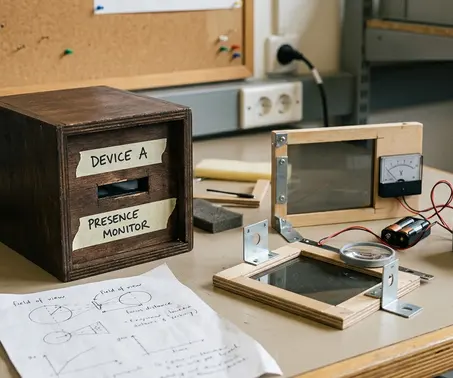
The impact on the final gallery is immediate and irreversible when the audience's faces are hidden behind screens. This results in a devastating loss of generational documentation. A grandparent's tearful reaction, a mother's proud smile, or a sibling's joyous laughter disappears behind a smartphone chassis. A professional photography studio is tasked with capturing the unseen moments of the day, yet those moments cease to exist when the guests are entirely absorbed in their own amateur documentation.
Faith West Photography Curation Standards
The curation process for the final portfolio prioritizes selecting frames where the subject's eyes are visible. Editors must actively filter out images where devices obscure the upper half of a guest's face. Enforcing an unplugged environment yields an average of 12 to 18 additional clean reaction frames of immediate family members seated in the first three rows. These are the images that appreciate in emotional value over decades, serving as a vital historical record of the family's shared experience.
Implementing Gracious Boundary Frameworks
Couples need actionable frameworks for communicating the unplugged policy without alienating family members or disrupting the elegant tone of the event. Developing this communication framework required collaborating with local officiants to refine their opening scripts, ensuring a gracious, welcoming tone. The most successful implementation relies on a structured, two-tiered approach to messaging that sets expectations early and reinforces them gently.
First, passive environmental cues establish the boundary before guests even take their seats. This involves placing elegant physical signage at the venue entrance 30 to 45 minutes prior to the processional. The signage should match the wedding's stationery suite, utilizing high-quality materials and elegant typography so it feels like a cohesive part of the design. Second, active verbal cues reinforce the boundary right before the critical moments begin. This requires delivering the officiant's warm, brief verbal announcement 60 to 90 seconds before the processional music begins. The officiant acts as the authority figure, taking the pressure off the couple and framing the request as a collective invitation to be present.
This two-tiered communication strategy loses its efficacy in sprawling outdoor venues where guests arrive from multiple un-ticketed entry points and bypass physical signage entirely. In such environments, the reliance shifts heavily to the officiant's verbal address and the strategic placement of ushers to guide guests and communicate the policy directly.
The verbiage used in these announcements frames the request as a desire for shared presence. A highly effective script reads: "The couple invites you to be fully present in this sacred moment; please silence and store all devices until the reception." This language elevates the request, aligning it with the romantic and artistic vision of the day.
Draft the exact wording you want your officiant to use, print it on heavy cardstock, and hand it directly to them during your final venue walkthrough to ensure the announcement is delivered exactly as planned.